How To Prepare Your Home For Painters In Byron Bay
A little preparation before your painters arrive keeps the job moving smoothly and avoids losing time on day one to jobs that could have been sorted beforehand. Some prep is genuinely the homeowner's job; some belongs to the painting crew and knowing which is which means nothing gets missed or duplicated. This guide walks through exactly what to sort before painters in Byron Bay start work on your home.
Why Prep Matters Before Painters in Byron Bay Start Work
A booked start date only stays on track if the site is actually ready for it. If furniture still needs moving, walls haven't been checked for issues or access to an exterior wall is blocked, the crew ends up spending paid time on prep rather than painting, which can push the whole job out.
Before the painters in Byron Bay arrive, a little prep on your side keeps the job on time. It's not about doing the painter's job for them; it's about making sure everything on your side of the line is sorted so the crew can focus on the actual painting from the moment they arrive.
Who Handles What: Homeowner Prep vs the Painting Crew
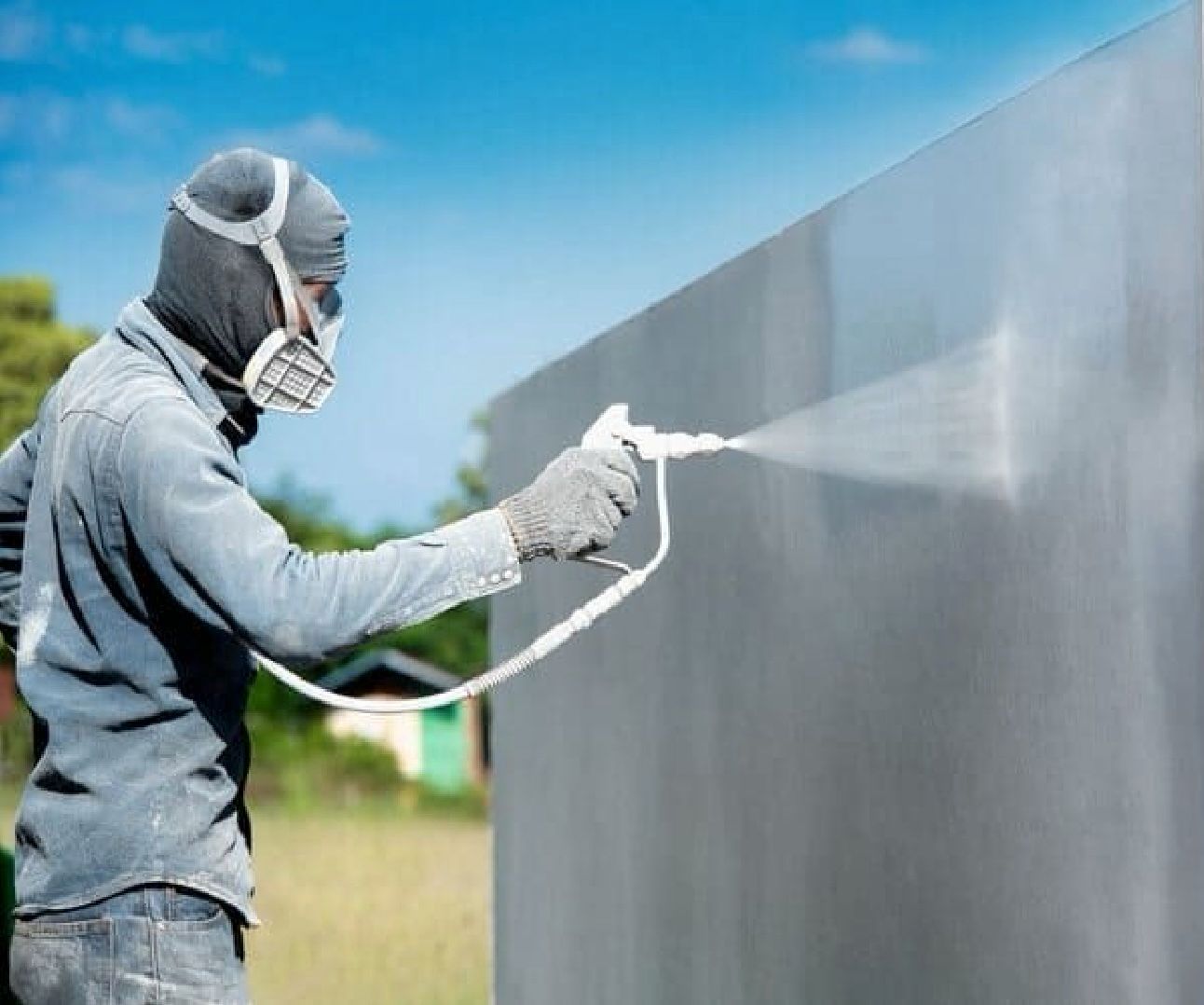
A professional painting crew handles the technical preparation, surface repairs, sanding, priming and masking that require trade knowledge and the right equipment. This is their responsibility and not something a homeowner needs to attempt themselves.
What generally falls to the homeowner is clearing the space, so the crew can actually get to the surfaces they need to work on. That means moving furniture and belongings, clearing access points and letting the crew know about anything unusual on-site before they arrive. Prep is shared work, here's what to expect from a full-service painter in Byron Bay, including exactly where that line sits for a typical residential job.
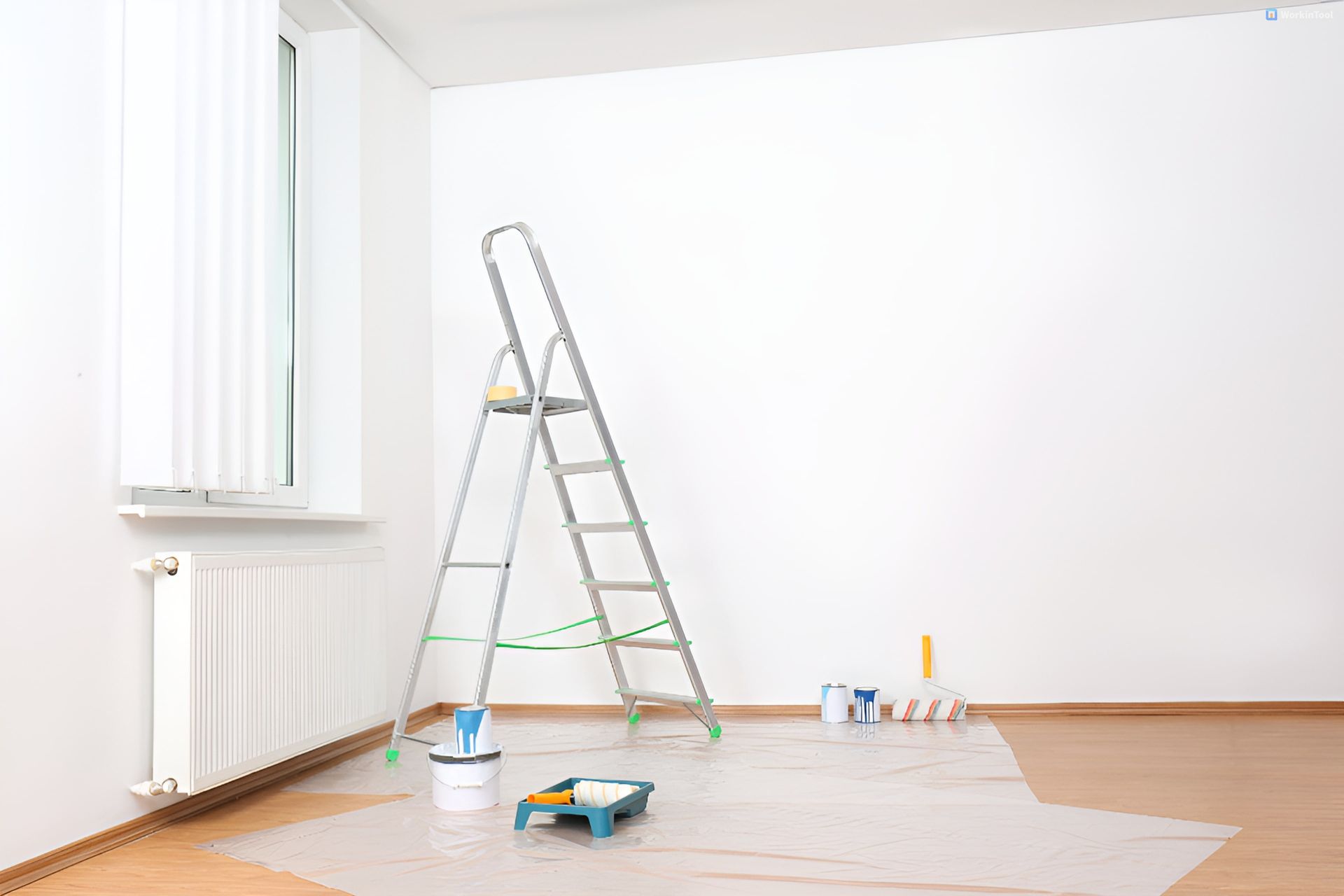
What to Move & Protect Before Interior Painting
Before interior painting starts, move furniture away from walls and, where possible, out of the room entirely, since even a covered piece close to a wall being worked on can end up with paint on it. Take down wall art, mirrors and curtains and remove switch plates and power point covers if you're comfortable doing so, or flag them for the crew to handle.
Fragile or valuable items are worth relocating rather than covering in place, particularly in rooms where multiple walls or the ceiling are being painted. It's also worth clearing floor space near skirting boards and door frames, since these areas often need close attention during both prep and painting.
Should You Clean the Walls Before the Painter Arrives?
A light clean helps but it's not essential in most cases since a professional crew will assess and prepare the surface as part of their process regardless. Wiping down obviously dirty or greasy areas, particularly in kitchens and bathrooms, is a reasonable step if you want to do something useful beforehand.
What matters more than cleaning is flagging any specific issues you've noticed, like a damp patch, a crack that keeps reappearing or an area where paint has previously peeled. Letting the crew know about these upfront means they can plan for the right preparation rather than discovering the issue partway through the job.
Coastal Exteriors: Why Salt Film Has to Be Washed Down First
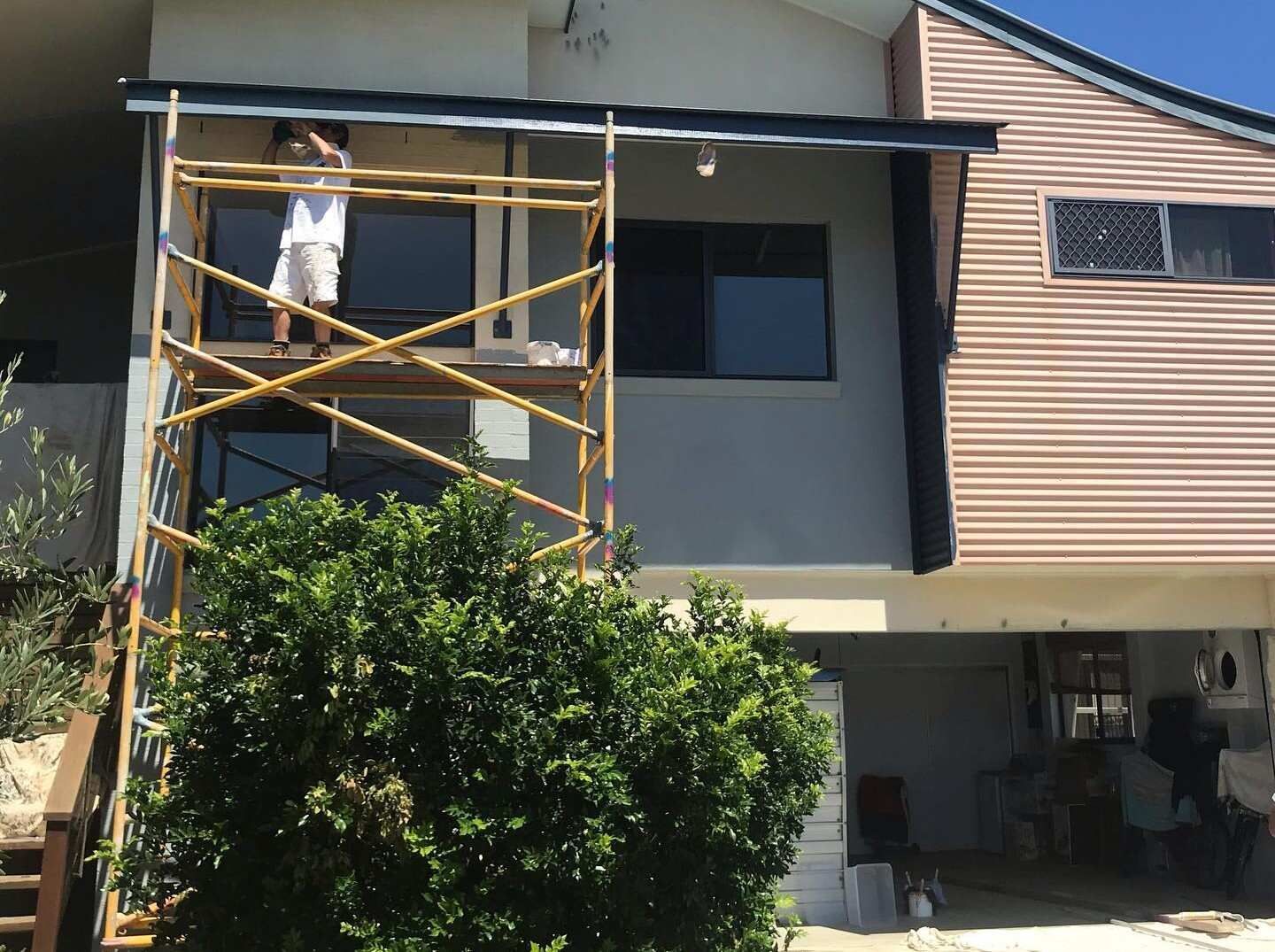
This step matters more in Byron Bay than it does further inland, and it's genuinely easy to miss if you're not used to coastal painting jobs. Homes near the coast build up a fine salt film on exterior surfaces over time, and if that film isn't washed down before painting begins, new paint can fail to adhere properly and lead to early peeling or bubbling.
A proper exterior wash removes salt residue, dirt and any loose or flaking old paint, giving the new coat a clean surface to bond to. This is typically part of the painting crew's preparation process, but it's worth confirming it's included, particularly if a property hasn't been washed down in some time or sits close to the water.
Clearing the Outside: Gardens, Decks, Pets and Access
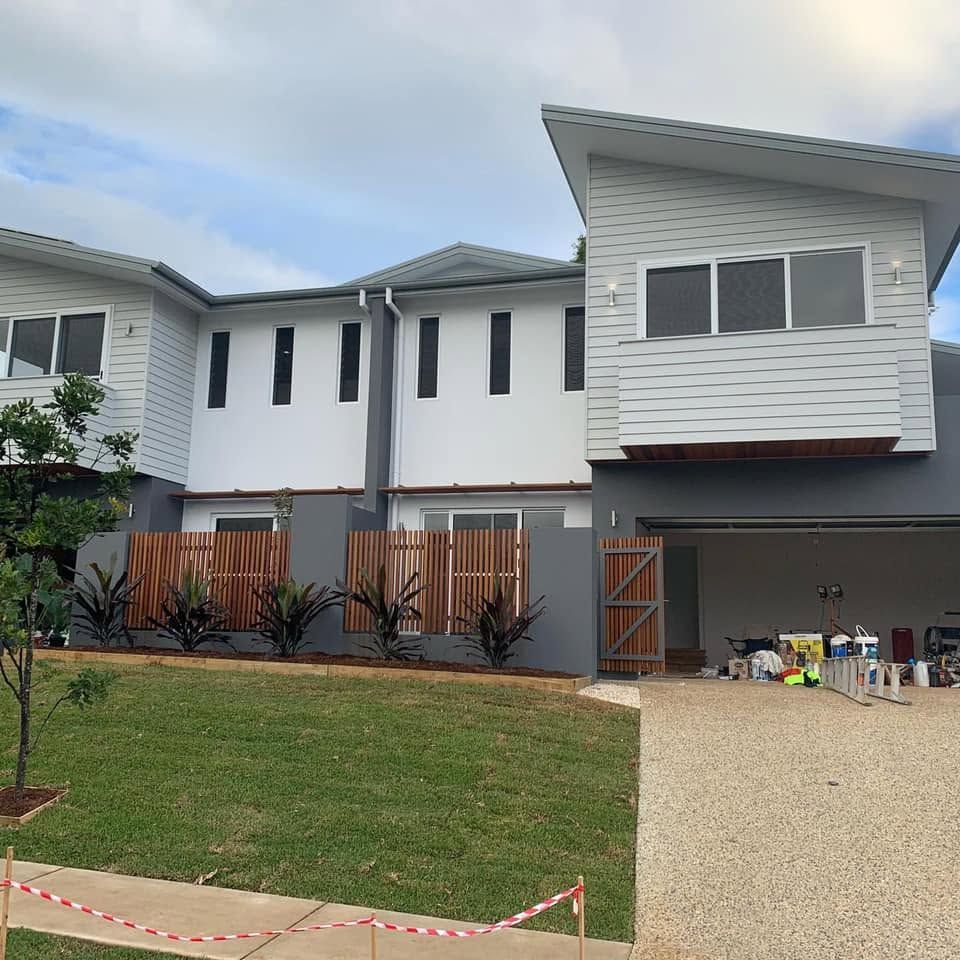
For exterior work, clear garden beds, pots and outdoor furniture away from the walls being painted and trim back any plants or branches that are touching or close to the surface. This gives the crew clear access and reduces the risk of paint or equipment damaging plants you'd rather keep.
Pets are worth planning for separately, since painting activity, ladders and open gates can all be stressful or risky for animals used to having the yard to themselves. Arranging for pets to be inside, secured elsewhere or minded by someone during the job keeps them safe and avoids them wandering into wet paint or open work areas. Confirming vehicle and equipment access to the property in advance also avoids delays on the first day.
Final Decisions to Lock In Early (Colours, Finishes & Timing)
Colour and finish decisions are much easier to make calmly before a start date is locked in than under pressure once the crew is already on-site waiting for an answer. It also helps to decide on a finish early, start with understanding different types of paint finishes if you're still weighing up options for different rooms or surfaces.
Timing decisions matter too, particularly around access for multi-day jobs, whether you'll be home during the work and how any pets or deliveries will be managed across the project. Sorting these details in advance means the crew can plan the job efficiently rather than working around last-minute changes.
Your Pre-Painting Checklist for a Smooth, On-Time Start
Move furniture and valuables away from walls or out of the room where possible. Take down art, mirrors and curtains and clear floor space near skirting boards and door frames. Flag any specific wall issues, like damp patches or recurring cracks, to the crew ahead of time.
For exteriors, clear garden beds and outdoor furniture from the walls being painted and trim back overhanging plants. Arrange for pets to be safely elsewhere during the work and confirm access for the crew's vehicle and equipment. Lock in your colour and finish decisions ahead of the start date, so the first day can go straight into preparation and painting rather than decision-making. Once the space is ready, our residential painting crew takes it from there.
Getting your home ready before the crew arrives is the simplest way to keep a painting job on schedule and stress-free. If you're preparing for an upcoming job, contact Ballina Painting Service on 0408 783 744 to confirm what's needed before your start date.
Frequently Asked Questions