How Exterior Paint Protects Your Property From Coastal Weather
Salt air, relentless sun and high humidity don't just affect how a property looks, they actively work against it. For anyone searching for
painters in Byron Bay, the conversation often starts with aesthetics, but the more important story is protection. A quality exterior paint system does far more than freshen up the appearance of a building. It forms a barrier between your surfaces and the coastal conditions that degrade them. Understanding what that protection involves — and how to maintain it — means fewer costly repairs and a property that holds up year after year.
Why Coastal Weather Is Harder on Homes
The Northern Rivers coastline is one of the more punishing environments for exterior surfaces in Australia. Salt-laden air, intense UV radiation, high ambient humidity and frequent rain create a combination of stressors that inland properties simply don't face at the same intensity. Salt particles carried on the breeze settle into every crack, joint and porous surface. Once embedded, they draw in moisture and work from the inside out — causing timber to swell, metal fixings to corrode and render to fracture. Without a well-maintained exterior coating, this process compounds with every passing season.
The main environmental factors working against your exterior surfaces include:
- Airborne salt and chloride deposits
- UV radiation from prolonged direct sun
- High ambient humidity accelerating mould growth
- Wind-driven rain forcing moisture into gaps and joints
- Thermal expansion and contraction from temperature swings
How Exterior Paint Creates a Protective Barrier
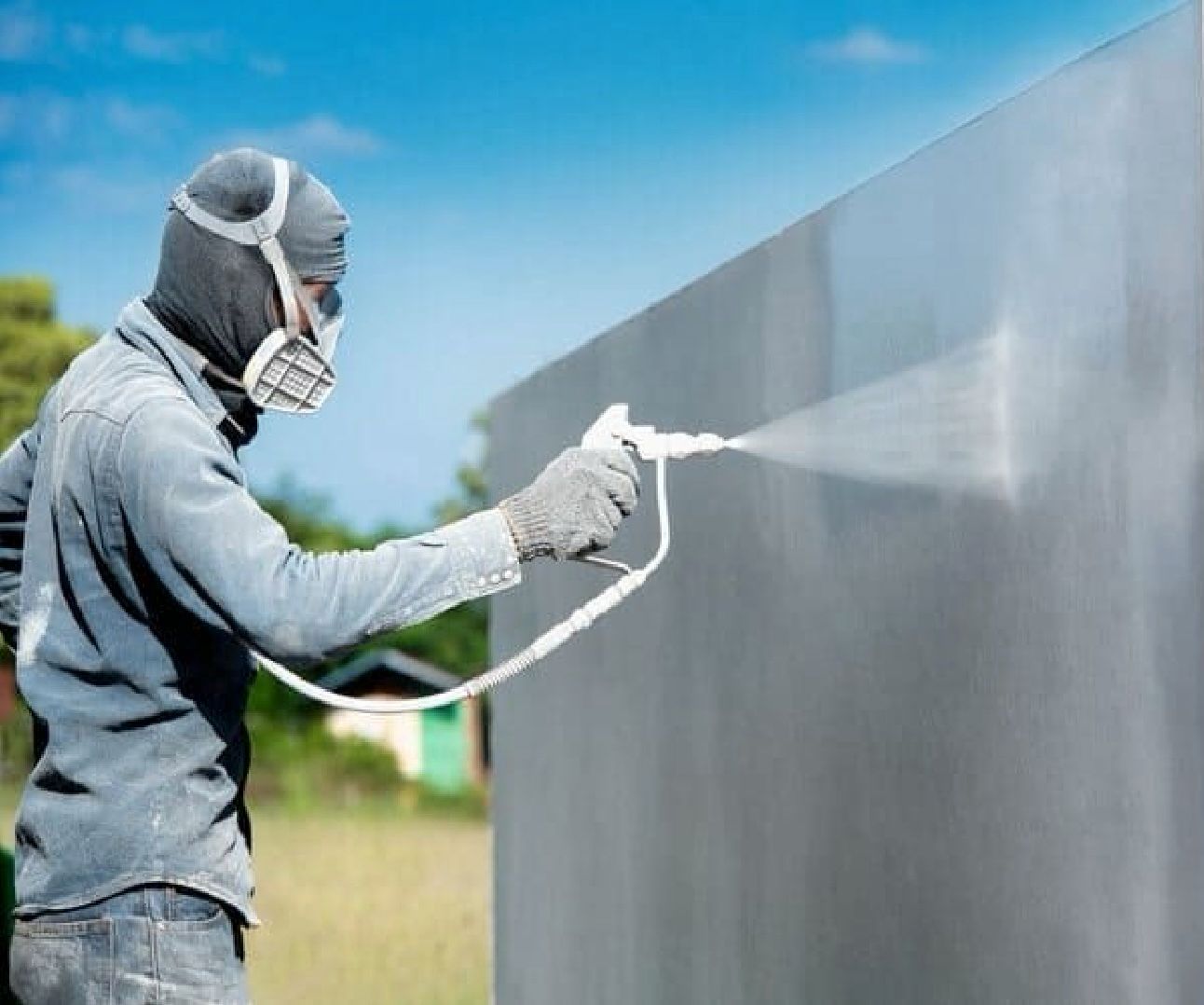
Think of a quality exterior paint system as a skin for your building. It seals porous surfaces, repels water, manages UV energy and prevents the kind of moisture ingress that causes structural damage over time. High-performance acrylic coatings are particularly well-suited to coastal climates because they remain flexible as surfaces expand and contract with temperature changes. That flexibility is what keeps the coating intact rather than cracking and allowing moisture to penetrate underneath. When the right product is matched to the right surface and applied over proper preparation, the result is a sealed membrane that actively manages what the environment throws at it.
The core protective functions of a quality exterior coating are:
- Moisture repulsion to prevent swelling, rot and corrosion
- UV resistance to reduce surface degradation
- Flexibility to move with the substrate without cracking
- Adhesion to stay bonded through weather events
- Mould and mildew resistance in humid conditions
What Painters Byron Bay Properties Rely On for Prep
Surface preparation is where the longevity of any paint job is determined. It is also the step most likely to be cut short when cost pressure is applied — and the one that leads to the most expensive failures down the track.
For coastal properties, thorough preparation typically means pressure washing to remove salt residue and organic growth, sanding back any loose or chalking paint, filling cracks and voids, and priming before the topcoat goes on. Timber surfaces often need moisture content checks and treatment before painting begins. Skipping or rushing any of these steps compromises adhesion, and in a salt-air environment, even a small breach in the coating gives moisture a way in.
Steps involved in a proper exterior preparation include:
- Pressure washing and salt deposit removal
- Sanding back peeling, flaking or chalking surfaces
- Crack filling and surface patching
- Spot priming bare or repaired areas
- Full priming coat for adhesion and sealing
Choosing the Right Products for a Coastal Climate
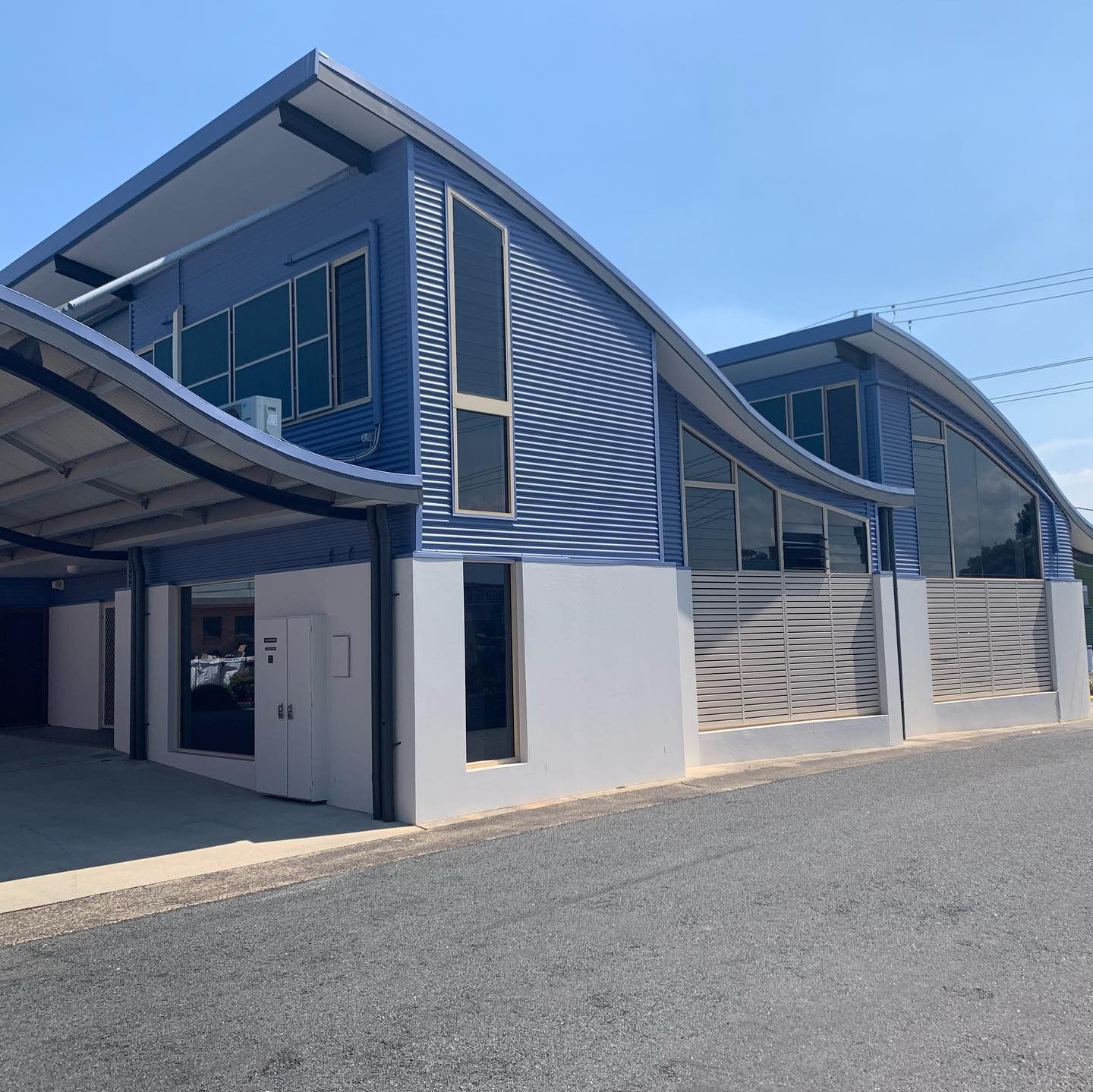
Not every exterior paint performs equally in a high-humidity, salt-exposed environment. The difference between a standard product and one formulated for coastal conditions can mean years of additional service life — something painters in Byron Bay factor in on every exterior job. For most exterior wall surfaces, high-grade acrylic coatings offer the right combination of flexibility, adhesion and UV resistance. In areas with direct salt spray exposure — decks, balustrades and fences close to the water — marine-grade or heavy-duty protective coatings provide a higher level of resistance. Finish sheen also plays a role. Satin and low-sheen finishes generally outperform full gloss outdoors, as they are more forgiving of surface movement and hold their appearance longer under sustained UV.
Product categories worth discussing with your painter before starting include:
- High-grade exterior acrylic for walls and cladding
- Marine-grade coatings for high-exposure surfaces
- Specialised timber oils and sealers
- Anti-fungal primers for mould-prone areas
- UV-stabilised topcoats for north and west-facing surfaces
How Long Does Exterior Paint Last in This Climate?
In a coastal environment, exterior paint typically lasts somewhere between five and seven years before it needs attention. That is a shorter cycle than inland properties experience, and the reasons come back to the environmental stressors already covered. The actual lifespan of any paint job depends on product quality, standard of preparation, number of coats applied and how well the property is maintained between repaints. A high-quality system applied correctly to a well-prepared surface will consistently outlast a cheaper alternative, often by several years. Investing in the right job upfront is nearly always more cost-effective than repainting sooner than necessary.
Factors that affect how long your exterior paint lasts include:
- Product grade and suitability for coastal conditions
- Quality of surface preparation
- Number of coats applied
- Aspect and direct exposure of each surface
- Maintenance carried out between repaints
Spotting the Early Signs of Paint Failure
Paint failure rarely happens without warning. Knowing what to look for means you can address problems early, before they turn into structural issues that cost far more to fix. Chalking — a powdery residue on the surface, is one of the first indicators of UV breakdown in the paint film. Peeling or flaking suggests moisture has worked its way beneath the coating. Fine surface cracking, sometimes called crazing, can point to a loss of flexibility in the paint or movement in the substrate. Bubbling or blistering is almost always a moisture issue and often traces back to inadequate preparation on a previous paint job.
Warning signs to watch for on your exterior surfaces include:
- Powdery or chalking residue on painted walls
- Flaking, peeling or lifting paint
- Fine cracking or crazing across the surface
- Bubbling or blistering on sun-exposed faces
- Dark staining or visible mould growth
Does Colour Choice Affect Paint Performance?
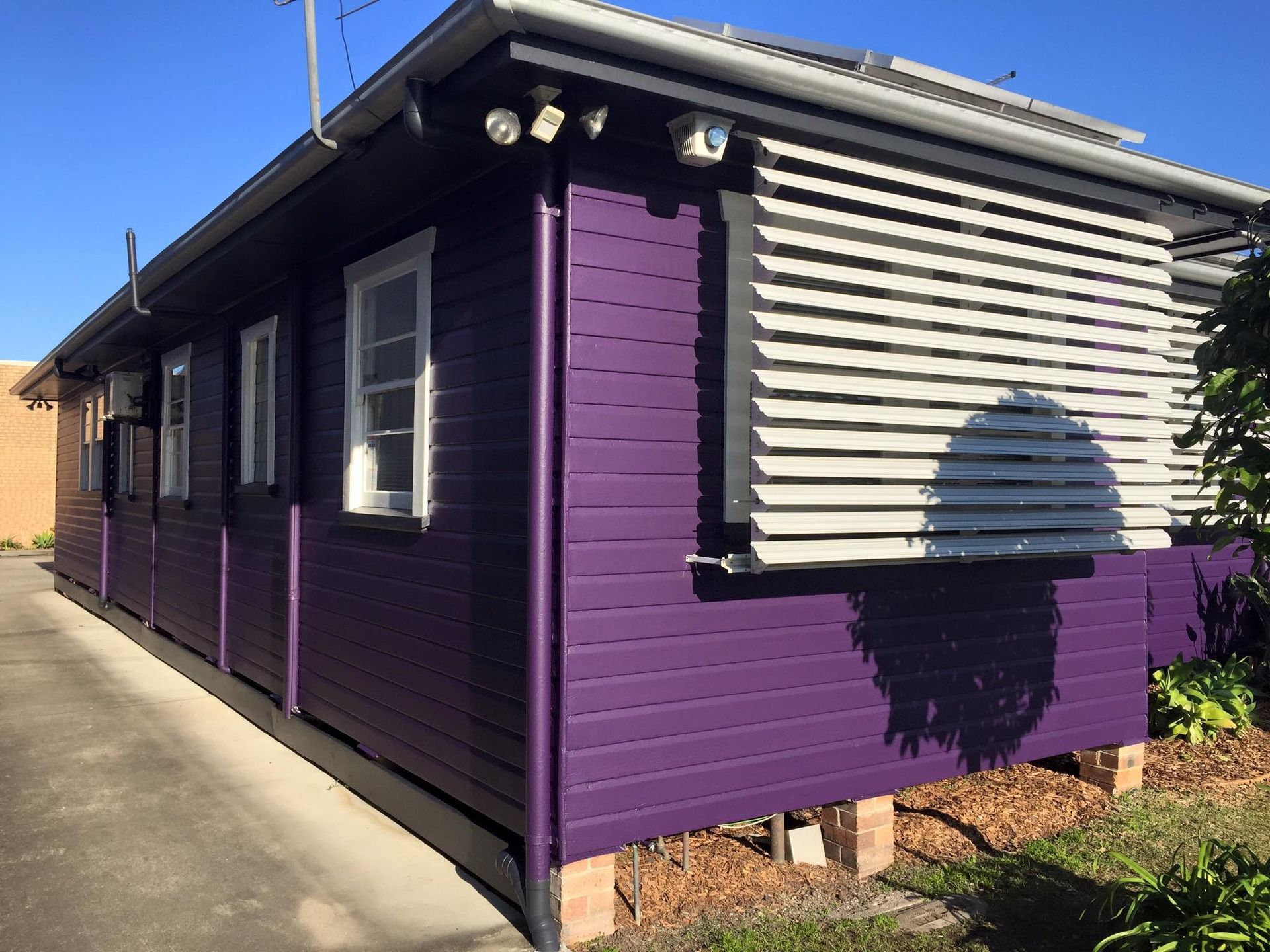
Most people approach colour selection from a purely aesthetic angle, which makes sense. But colour also has practical implications for paint performance in a coastal climate, particularly around heat absorption. Darker colours absorb significantly more heat than lighter ones, which increases the rate of thermal expansion and contraction in the surface beneath. Over time, this puts more stress on the paint film and can accelerate cracking and adhesion failure, especially on fibre cement and timber. Lighter colours reflect more solar energy, which is gentler on both the coating and the substrate. This does not limit your options — it just means the choice is worth a conversation before you commit, particularly for north or west-facing walls that get sustained direct sun.
Practical considerations when choosing exterior colours include:
- Heat absorption of dark versus light tones
- UV reflectance and its effect on paint film longevity
- How the colour will fade or chalk over time
- Finish sheen and its impact on durability
- Compatibility of the chosen product with the substrate
Maintenance Between Repaints Makes a Real Difference
A full exterior repaint is not something most property owners want to do more often than necessary. Routine maintenance between paint jobs can meaningfully extend the life of the coating and protect the investment already made.
Rinsing exterior surfaces with fresh water after sustained salt wind events removes corrosive deposits before they have time to work into the coating. Annual checks of vulnerable areas — window frames, fascias and anywhere timber meets another material, help catch early deterioration before it spreads. Minor damage addressed early can usually be handled with a spot treatment rather than a full repaint.
Simple maintenance tasks that extend exterior paint life include:
- Freshwater rinse after heavy salt wind events
- Annual inspection of high-exposure surfaces
- Clearing debris and organic matter from against walls
- Spot treating minor chips, cracks or peeling areas promptly
- Checking and replacing failed sealant around windows and doors
Talk to Painters in Byron Bay About Your Property
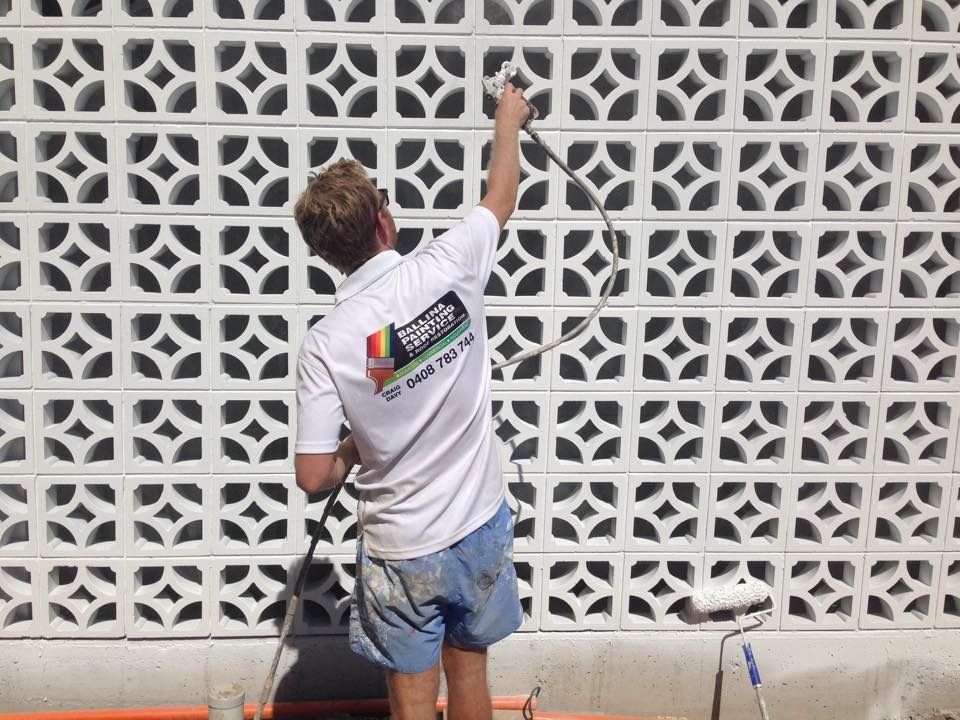
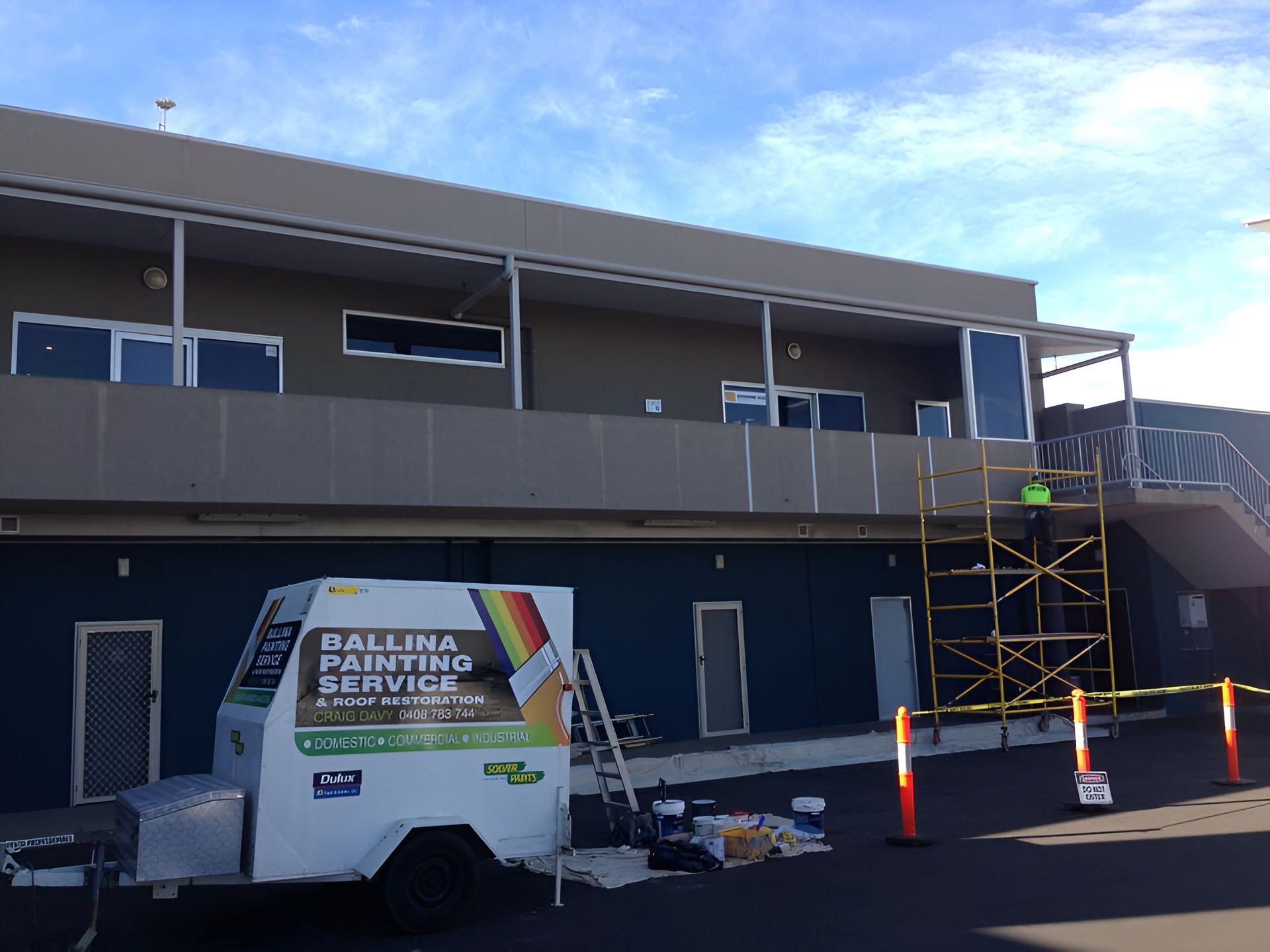
We at Ballina Painting Service understand the specific demands that coastal conditions place on exterior surfaces. If you are based in Byron Bay, the Northern Rivers or anywhere along this stretch of coastline, our painters in Byron Bay are well placed to assess your property, recommend suitable products and deliver a finish that is built to last. Whether your home or commercial property needs a full repaint or you want advice on the best approach for a challenging surface, we are happy to talk through your options. Reach out to our team by phone or through our website to arrange a quote or consultation.