Understanding Different Types Of Paint Finishes
Choosing between the various types of paint finishes is just as important as selecting the right colour. The finish influences how a surface looks, how it reflects light and how well it performs over time. For property owners planning interior or exterior painting, understanding these differences helps ensure the result is both practical and visually consistent.
When working with professional painters in Byron Bay, finish selection forms part of the overall project specification. Each option performs differently depending on room use, surface condition and exposure to moisture or wear. Making the right choice from the outset reduces maintenance issues and improves long-term durability.
Why Paint Finish Matters
Paint finish refers to the level of sheen or gloss in the coating once it dries. Sheen affects how much light reflects off a surface. Higher gloss finishes reflect more light and are generally more durable, while lower sheen finishes absorb light and help conceal imperfections.
Beyond appearance, finish selection affects cleanability and resistance to marks. Walls in high-traffic areas benefit from finishes that can be wiped down easily. Ceilings and low-contact surfaces can use flatter finishes that prioritise visual consistency over durability.
Understanding the practical differences between different paint finishes allows property owners to balance aesthetics with performance requirements.
Flat and Matte Finishes
Flat and matte paints have little to no sheen. They create a soft, non-reflective appearance that works well on ceilings and low-traffic walls.
One of the main advantages of flat finishes is their ability to hide minor surface imperfections. Small dents, patchwork or uneven plaster are less noticeable because the surface does not reflect much light. This makes matte finishes suitable for older properties where walls may not be perfectly smooth.
However, flat paints are generally less resistant to scuffs and marks. They are not ideal for hallways, kitchens or children’s rooms where surfaces are frequently touched. While some modern products offer improved washability, they still do not match the durability of higher sheen options.
Low Sheen and Eggshell Finishes
Low sheen and eggshell finishes offer a slight level of reflection without appearing glossy. These finishes are commonly used on internal walls in living areas and bedrooms.
They provide a balance between appearance and durability. The subtle sheen allows for easier cleaning compared to flat finishes while still maintaining a soft, refined look. In most residential applications, low sheen is considered a practical and versatile choice.
When property owners consult experienced painters in Byron Bay, low sheen is often recommended for main living spaces due to its adaptability and consistent finish.
Satin Finishes
Satin finishes have a noticeable but moderate sheen. They are more durable than low sheen paints and are often used in areas exposed to moisture or regular cleaning.
Bathrooms, kitchens and laundries commonly use satin finishes because they resist moisture better and are easier to wipe down. The slightly higher gloss level enhances durability without creating the strong reflection associated with semi-gloss.
When comparing types of paint finishes, satin is a practical option for spaces that require both resilience and a smooth appearance.
Semi-Gloss Finishes
Semi-gloss paints offer a higher level of shine and durability. They are commonly applied to doors, window frames, skirting boards and cabinetry.
The increased sheen makes semi-gloss surfaces easier to clean and more resistant to moisture and wear. In high-contact areas, this added durability is beneficial. The reflective quality also helps architectural details stand out, creating contrast against lower sheen walls.
Because semi-gloss highlights surface imperfections, preparation is critical. Professional surface sanding and priming ensure a smooth result, particularly in renovation projects where older timberwork may need restoration before painting.
High Gloss Finishes
High gloss finishes provide the most reflective surface of all common options. They create a sharp, polished appearance and offer strong durability.
While not commonly used across entire walls in residential properties, high gloss can be effective for statement features, cabinetry or decorative trims. Its durability makes it suitable for surfaces exposed to frequent handling.
However, because high gloss reflects significant light, any surface flaws become highly visible. Careful preparation and skilled application are essential to achieve a consistent result.
Interior and Exterior Considerations
The choice between different paint finishes also depends on whether the project is internal or external.
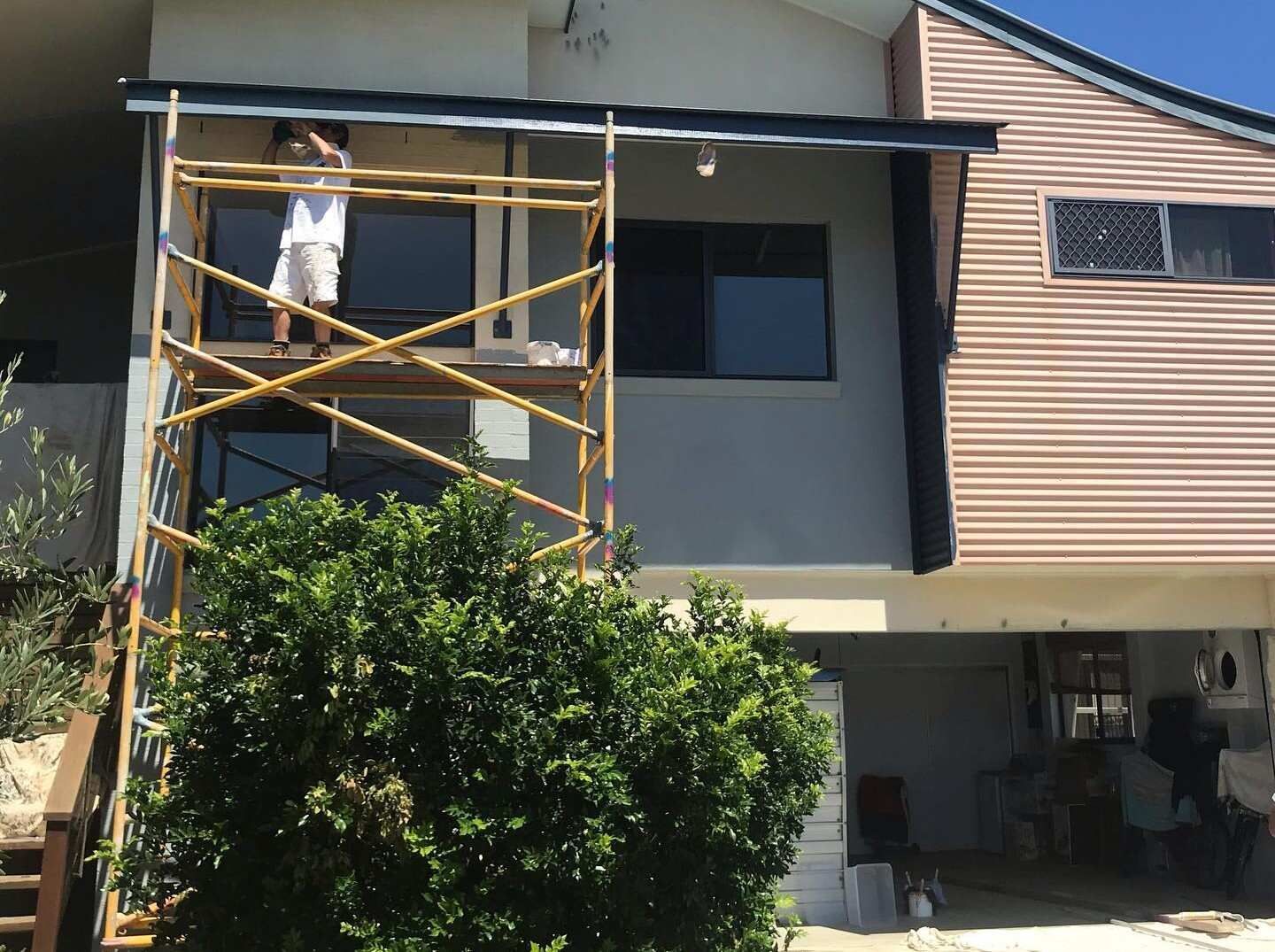
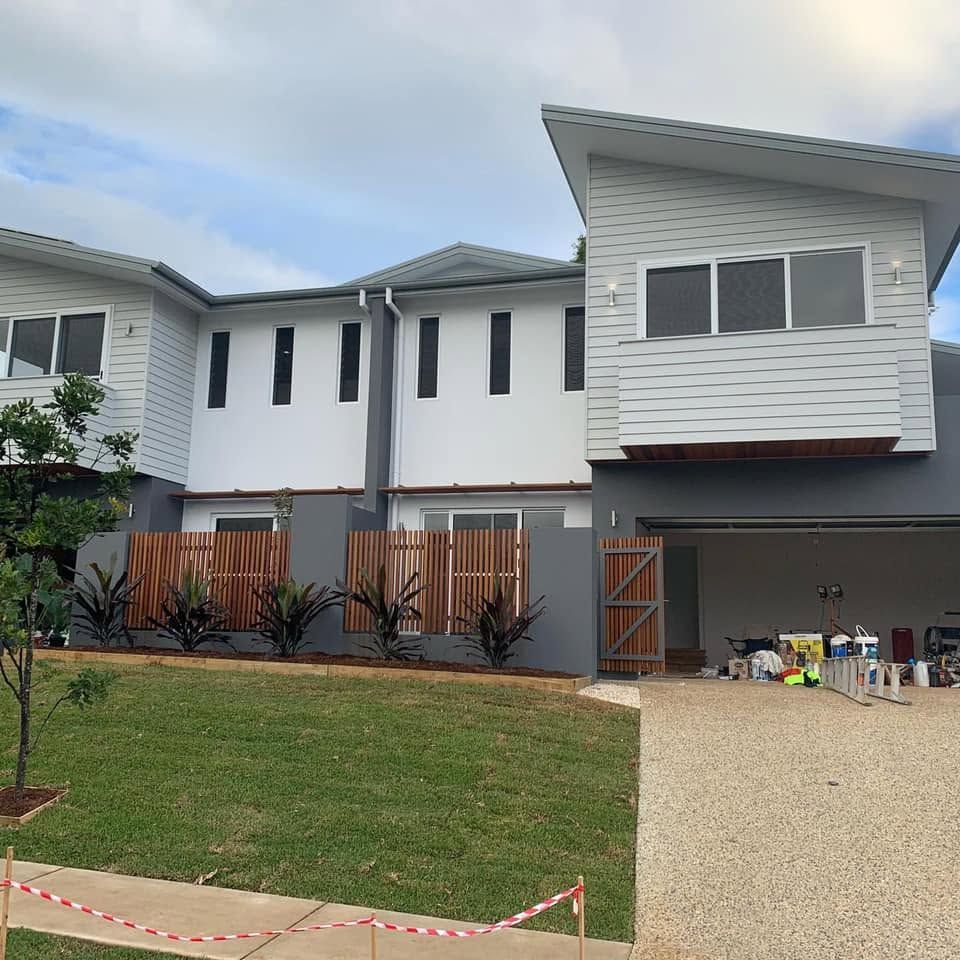
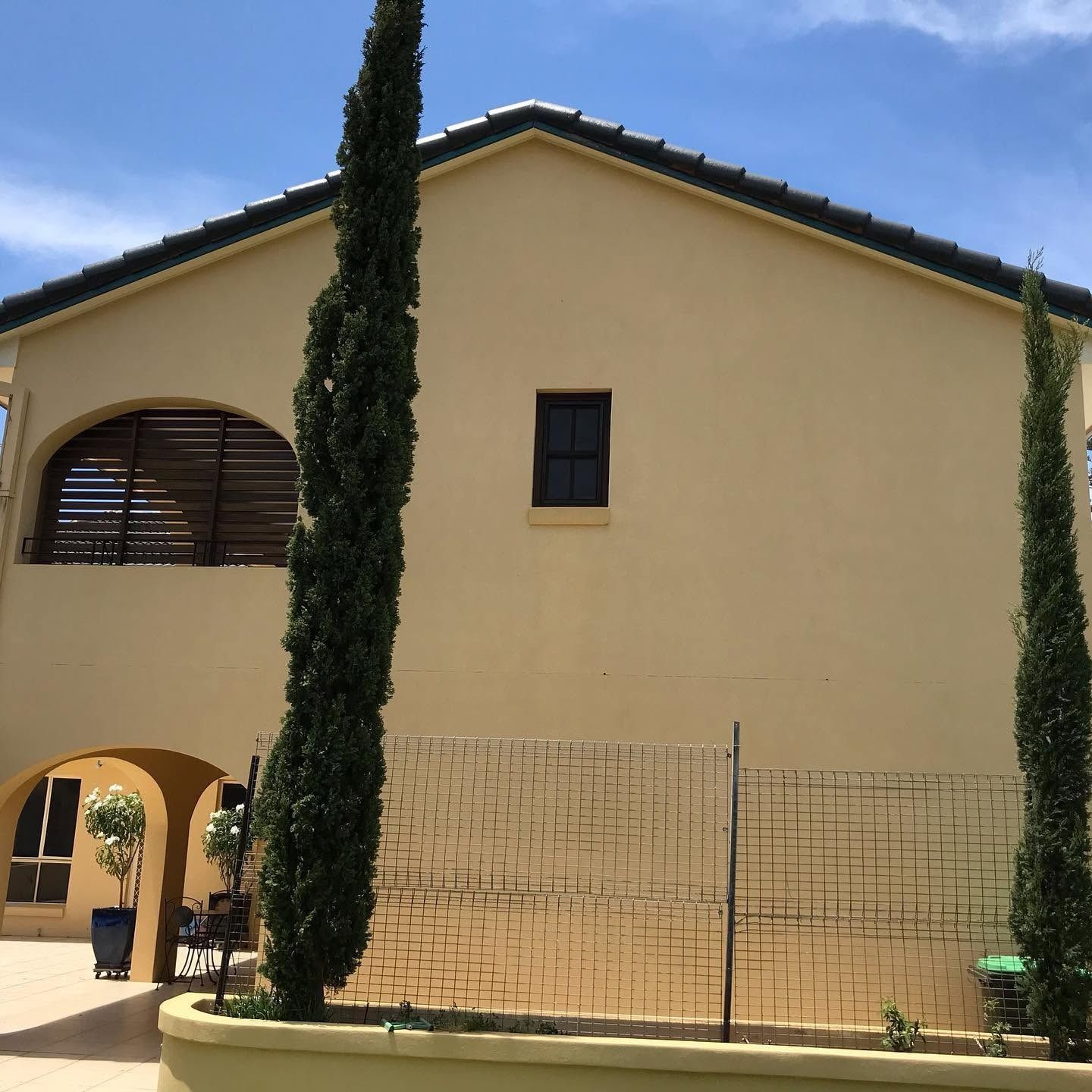
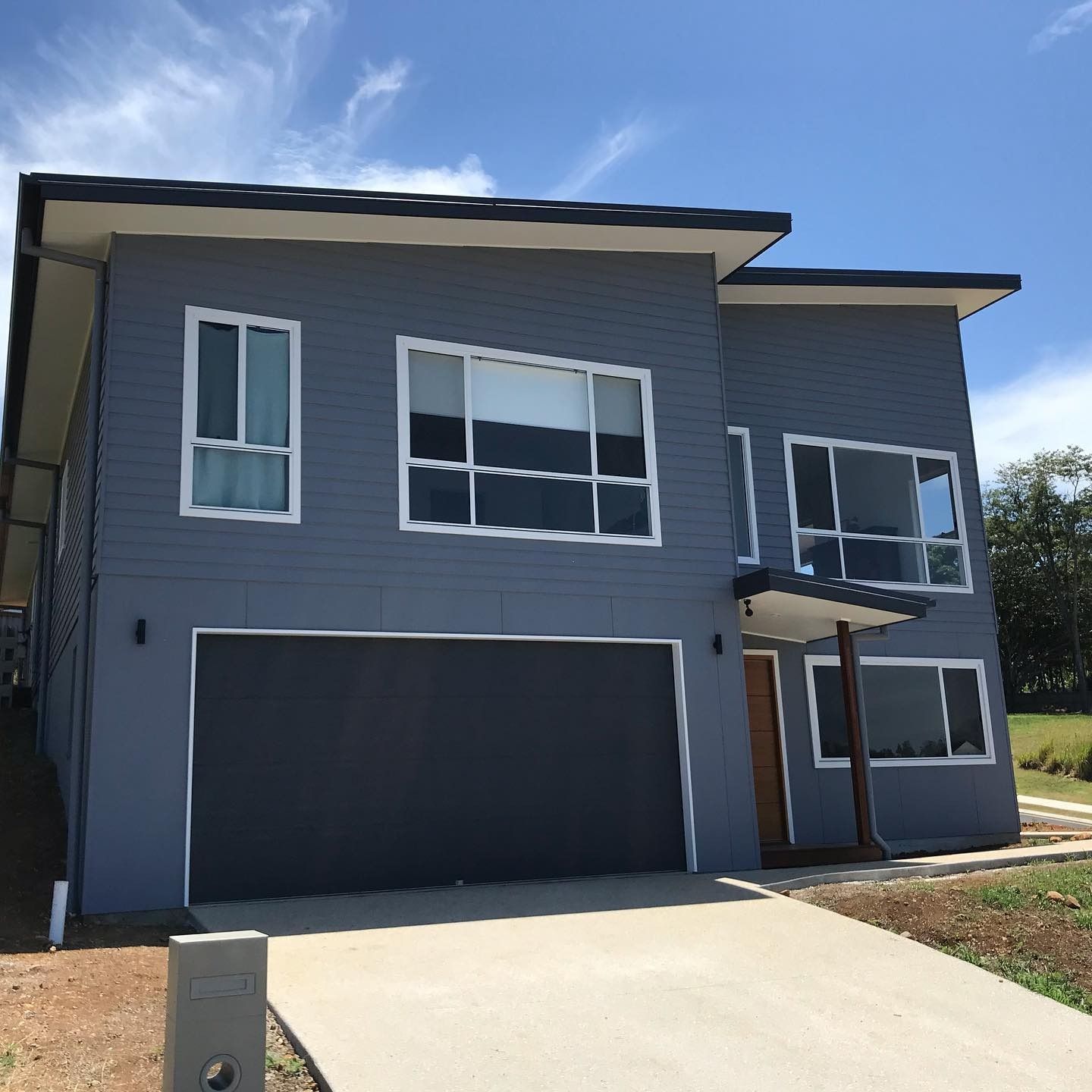
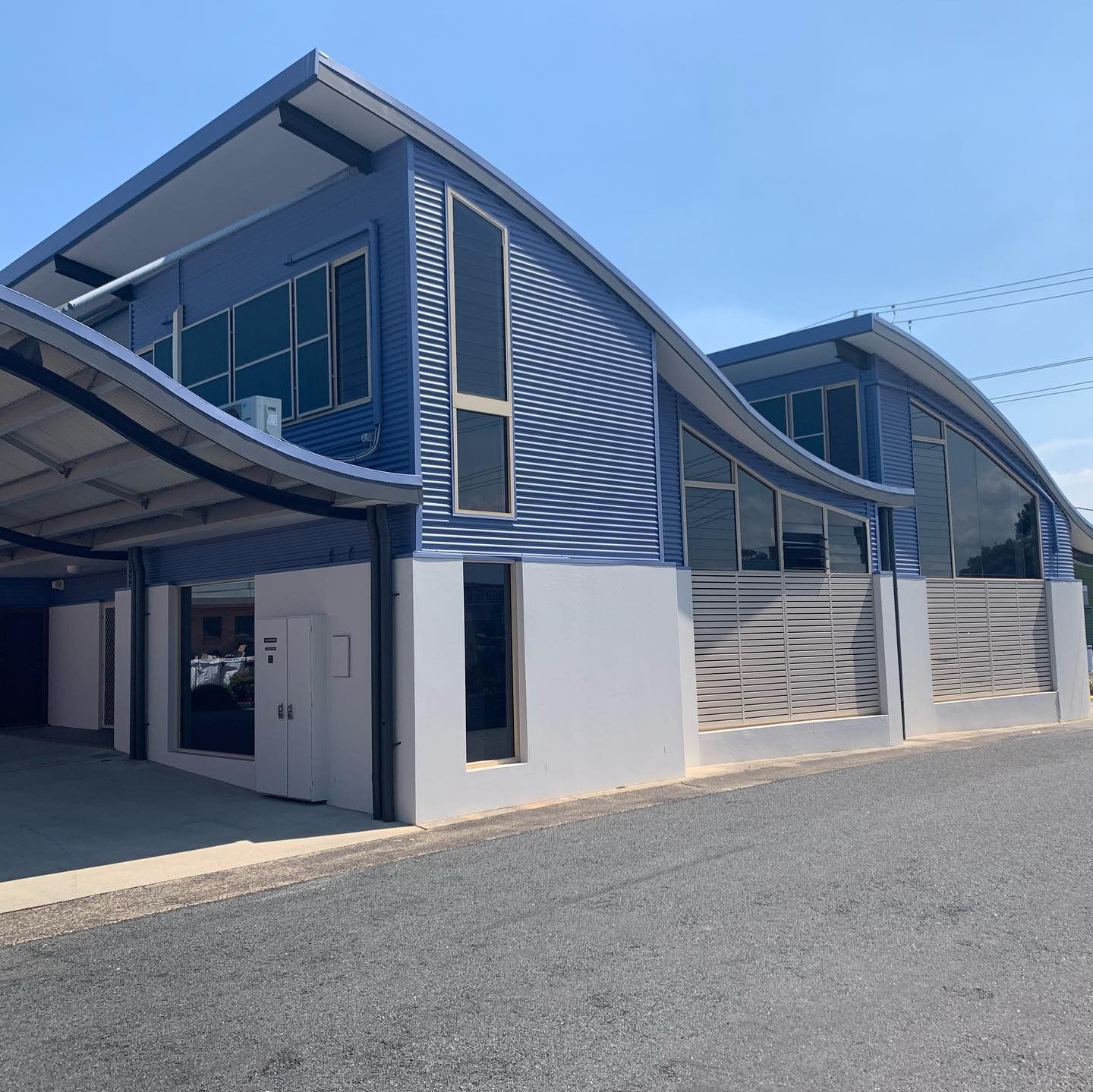
Exterior paints must withstand weather exposure, UV radiation and temperature changes. Finishes for exterior walls are typically low sheen or satin, offering durability while reducing glare from sunlight. Trim elements may use semi-gloss for additional protection.
Interior finishes are selected based on room function. Living areas prioritise visual appeal, while kitchens and bathrooms require greater moisture resistance. Consulting professional painters in Byron Bay helps ensure the finish selected aligns with both environmental conditions and intended use.
Durability and Maintenance
Higher sheen levels generally correlate with increased durability. Satin and semi-gloss finishes resist stains and can be cleaned with less risk of damaging the surface. This makes them suitable for busy households and high-use areas.
Lower sheen finishes, while softer in appearance, may require more careful maintenance. Touch-ups can also be more noticeable depending on lighting conditions and paint formulation.
When evaluating types of paint finishes, property owners should consider how much wear each area of the home will experience. Matching the finish to the function of the space reduces the need for premature repainting.
Light, Space and Overall Design
Paint finish influences how light interacts with a room. Glossy finishes reflect more light, which can make a space appear brighter. Matte finishes absorb light and create a softer atmosphere.
In rooms with strong natural light, excessive sheen may create glare. In darker spaces, a moderate sheen can help improve brightness. Finish selection therefore contributes to overall interior design, not just durability.
Professional advice ensures that the chosen finish complements the property’s architecture, lighting and daily use.
Professional Advice for Choosing Paint Finishes
Selecting the right types of paint finishes requires balancing appearance, durability and practicality. Each finish serves a clear purpose, and applying the appropriate option in each area improves both visual outcome and long-term performance.
If you are planning a painting project and want guidance on choosing between different paint finishes, speaking with experienced professionals can help you avoid costly mistakes. Ballina Painting Service provides skilled painters in Byron Bay who can recommend finishes suited to your property, environment and maintenance needs.
To discuss your project and arrange a consultation with Ballina Painting Service, get in touch today.