Exterior Paint Colours Painters In Byron Bay Recommend
Choosing
exterior paint colours in Byron Bay comes down to two things: how a colour looks against your home's setting, and how well it survives the coastal climate. Salt air, harsh UV, and humidity all affect how a colour ages, which is why the right choice balances aesthetics with durability from day one.
What Makes A Great Exterior Colour For A Byron Bay Home
A great exterior colour choice starts with the home's surroundings, not a colour chart. Byron Bay properties sit against hinterland greenery, coastal light, and often close proximity to salt spray, and all three factors change how a colour reads once it's on the wall.
Light bounces differently near the coast than it does inland. Bright midday sun can wash out subtle tones, while golden-hour light warms up whites and greys in ways that look different from a paint swatch held indoors. Local painters typically test colours on an actual wall section at different times of day before committing, because a shade that looks perfect on paper can shift dramatically outdoors.
Climate resilience matters just as much as visual appeal. A colour that looks striking for the first year but fades unevenly within three isn't a good long-term choice, particularly for homes exposed to direct sun or coastal wind.
Best Exterior House Colours In Australia Right Now
Across Australia, exterior colour trends have moved firmly toward warm neutrals and earthy tones. Soft whites, warm greiges, and muted clay or olive shades are common choices for homeowners wanting a look that feels current without dating quickly.
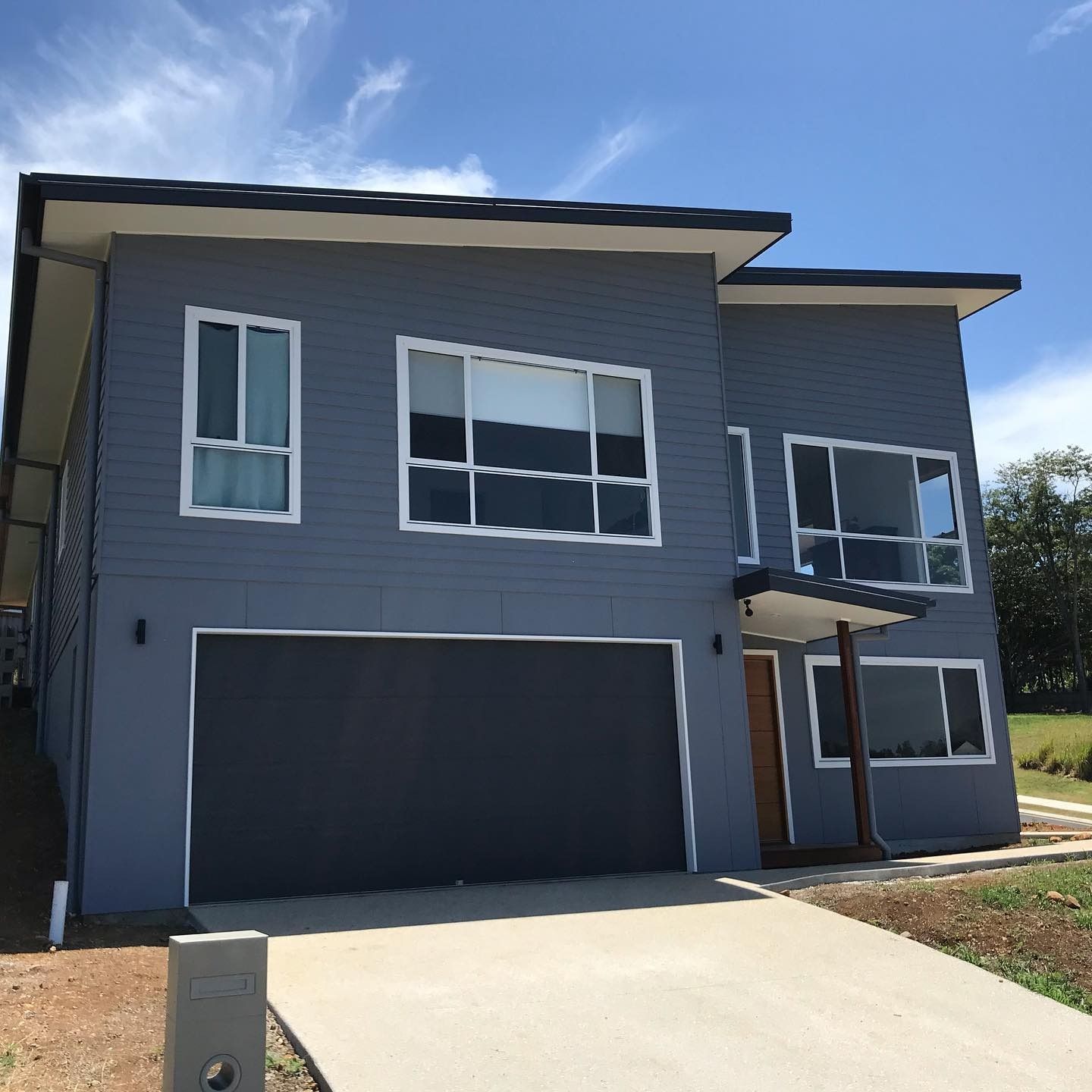
These tones work well because they're versatile. They pair naturally with timber detailing, stone features, and dark window frames, which are all popular elements in contemporary Australian home design. Deep charcoal and near-black accents on trims, gutters, and window frames continue to be a popular way to add contrast without overwhelming the main façade colour.
For a Byron Bay property, these national trends translate well, but they need to be adapted to the coastal setting. A warm white that looks crisp in a Melbourne suburb might need a slightly different undertone in Byron Bay to avoid glare in direct sun.
Colours That Suit A Coastal Home
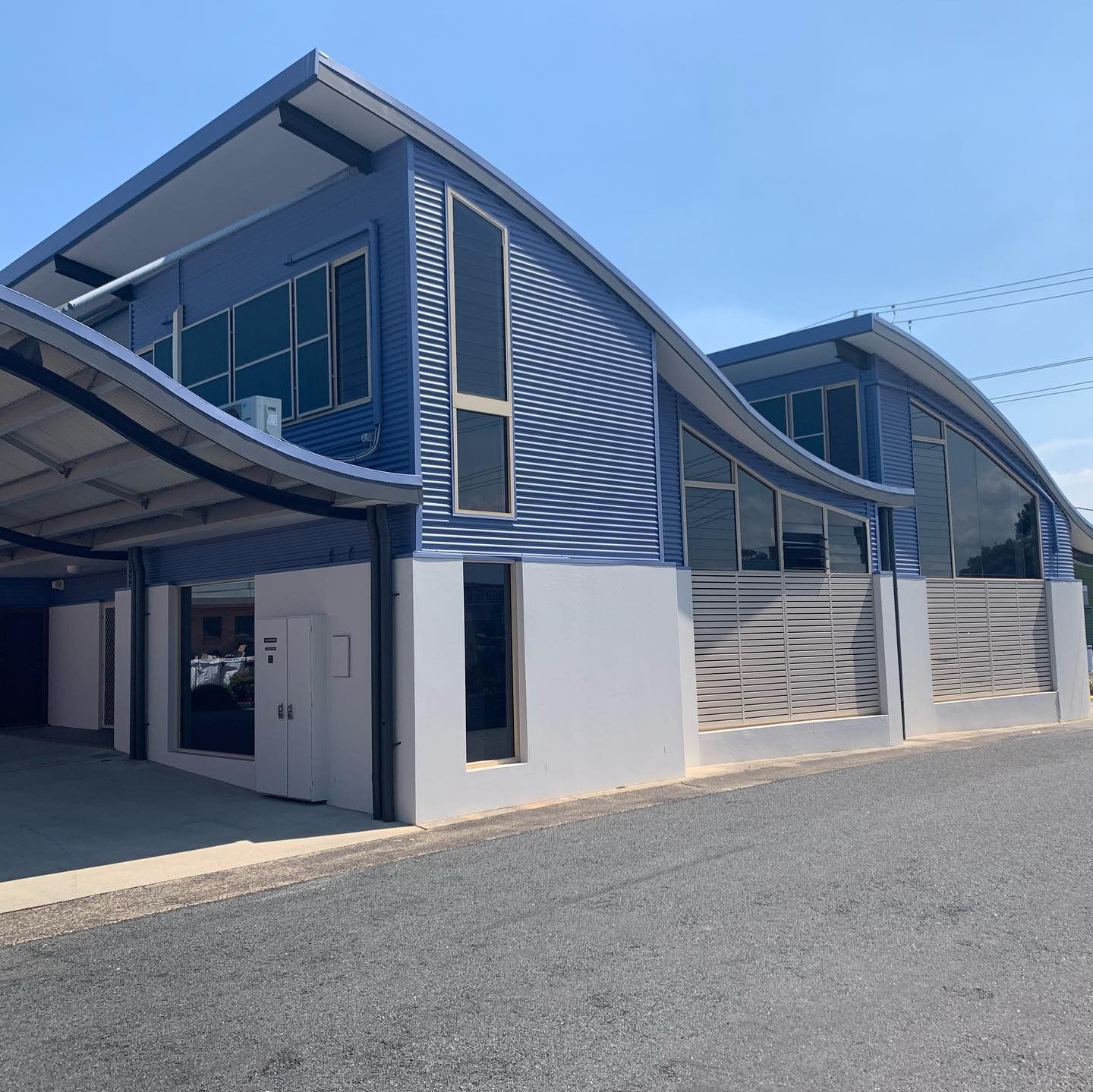
Coastal house colours generally draw from the natural palette around them: sand, sea, timber, and sky. Soft whites and off-whites remain the most requested base colour for coastal homes, often paired with weathered timber tones or navy and slate blue accents.
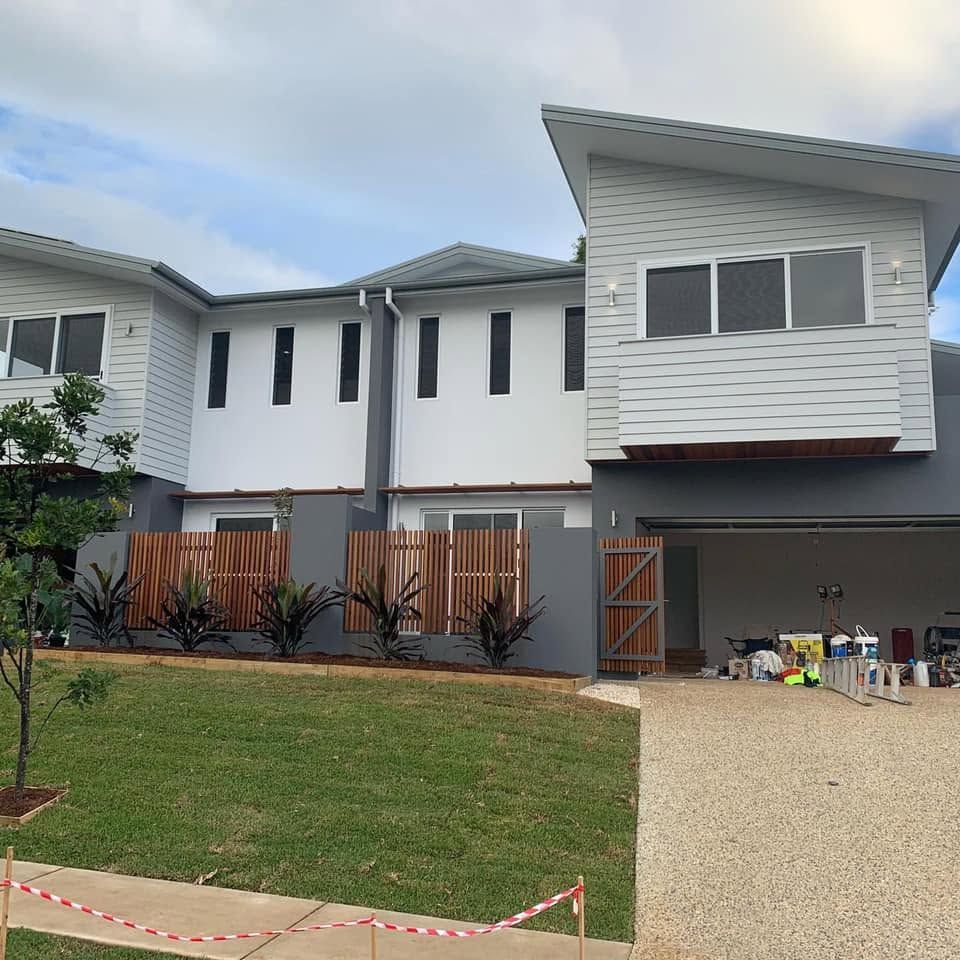
Hamptons house exterior styles are especially popular in Byron Bay, and for good reason. The classic combination of white or soft grey walls with black or deep navy trim suits the relaxed, beachside character of the area while still looking polished. As an example, a single-storey weatherboard home might use a warm white body colour with charcoal window frames and a matching front door, creating a clean look that complements timber decking and coastal landscaping without competing with it.
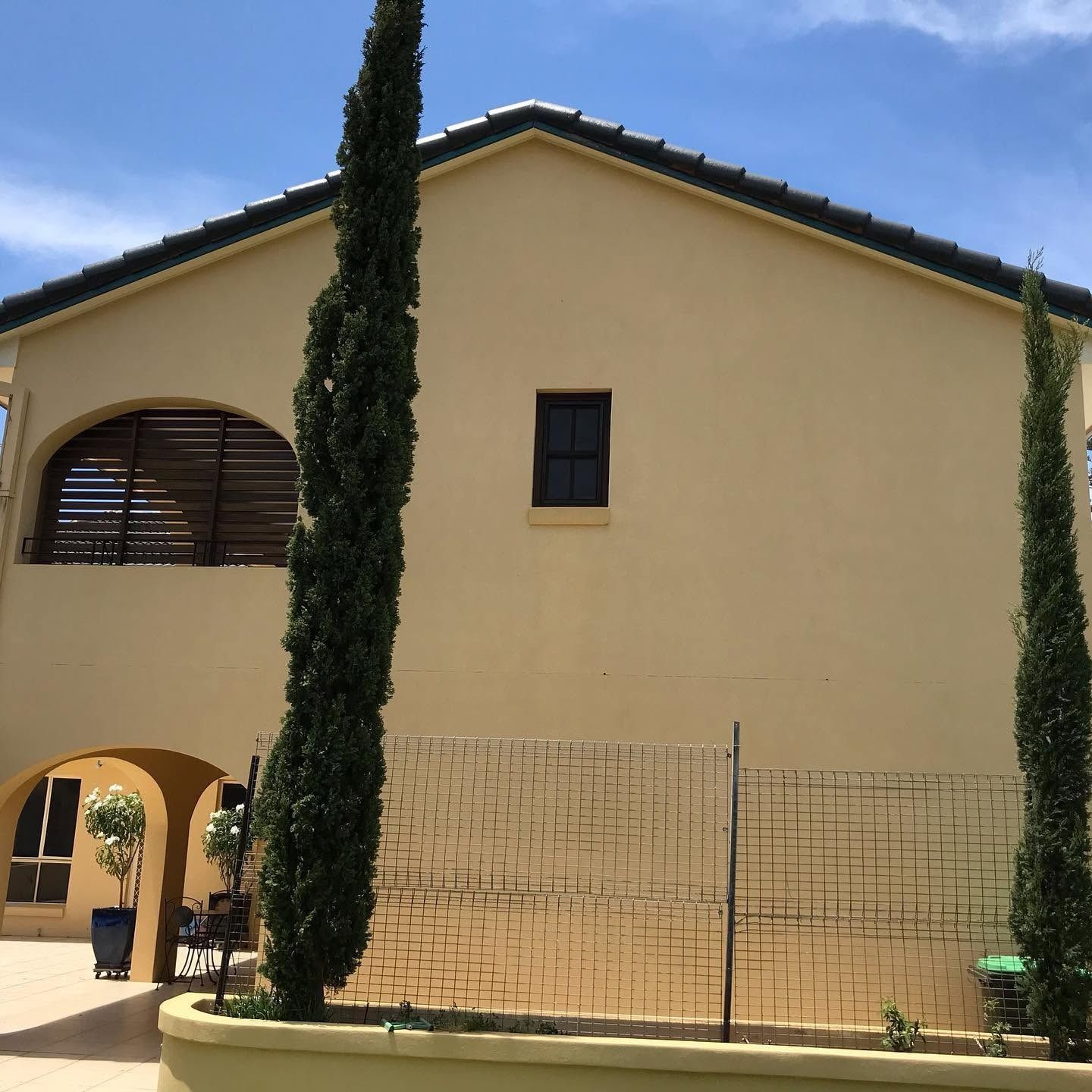
Muted greens and clay tones also work well for homes surrounded by hinterland vegetation, helping the property sit naturally within its environment rather than standing out against it.
Do Dark Exterior Colours Fade Faster?
Yes, dark exterior colours generally fade faster than light ones, particularly in high-UV coastal environments like Byron Bay. Darker pigments absorb more heat and UV radiation, which accelerates the breakdown of the paint film over time.
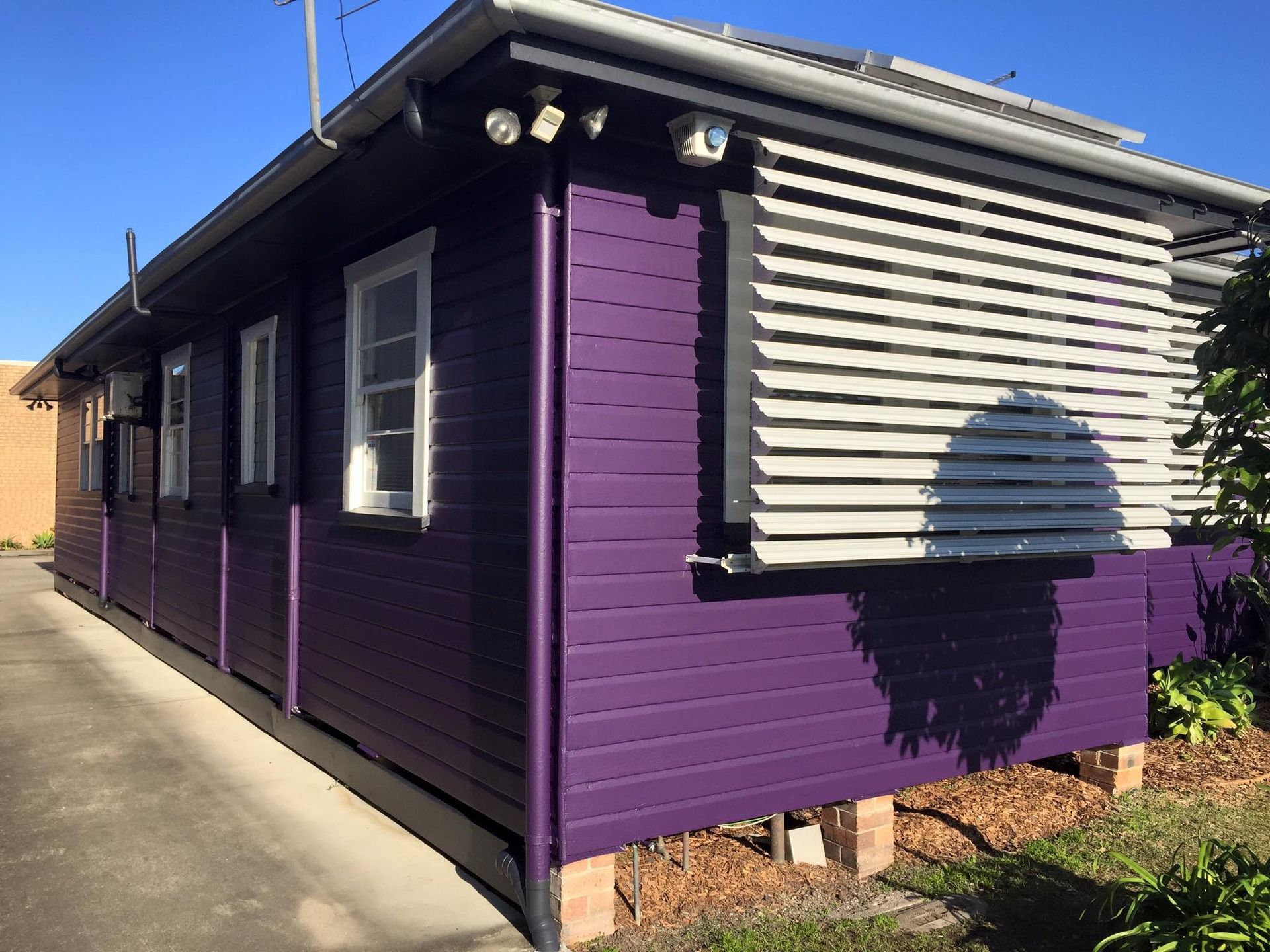
This doesn't mean dark colours should be avoided altogether. It means they need to be used strategically and paired with the right product. Dark colours on accent elements, such as trims, window frames, or a front door, tend to hold up better than dark colours across an entire façade, simply because they cover less surface area and experience less cumulative sun exposure.
If a homeowner wants a darker main colour, using a paint specifically formulated with UV-stable or heat-reflective pigments makes a significant difference to how well that colour holds its depth over several years.
Why Local Painters Recommend Heat-Reflective, Salt-Tolerant Palettes
Local painters consistently steer homeowners toward heat-reflective and salt-tolerant palettes because Byron Bay's climate is genuinely tougher on paintwork than many inland regions. Salt-laden air accelerates corrosion on metal fixtures and can affect how paint adheres to render and timber surfaces over time.
Heat-reflective paints are formulated to bounce back more solar radiation rather than absorbing it, which reduces surface temperature and slows the fading and chalking process. This is particularly relevant for homes with large expanses of render or cladding facing north or west, where sun exposure is most intense.
Salt tolerance matters just as much, especially for properties within a few kilometres of the coastline. Paints designed for coastal conditions typically include additives that resist the breakdown caused by airborne salt, helping maintain both colour and surface integrity for longer. For more detail on how these products perform against local conditions, it's worth reading about how exterior paint protects your property from coastal weather.
Choosing Exterior-Grade Products Built For The Climate
Colour is only half the equation. The product behind that colour determines whether it still looks good in five years or needs recoating in two. Exterior-grade paints formulated for coastal climates typically include higher-quality UV inhibitors, flexible binders that handle temperature swings, and additives that resist mould and mildew growth in humid conditions.
The finish chosen alongside the colour also affects durability and appearance. A low-sheen or matte finish can hide surface imperfections but may hold dirt differently to a satin finish, and the right choice depends on the substrate and sun exposure of each elevation. This is covered in more detail in our guide to choosing the right paint finish for your Byron Bay property.
Surface preparation matters as much as the product itself. According to industry best practice, thorough cleaning, priming, and repair of any existing damage before painting significantly extends the lifespan of even the highest-quality exterior paint.
Bringing Your Colour Choice To Life
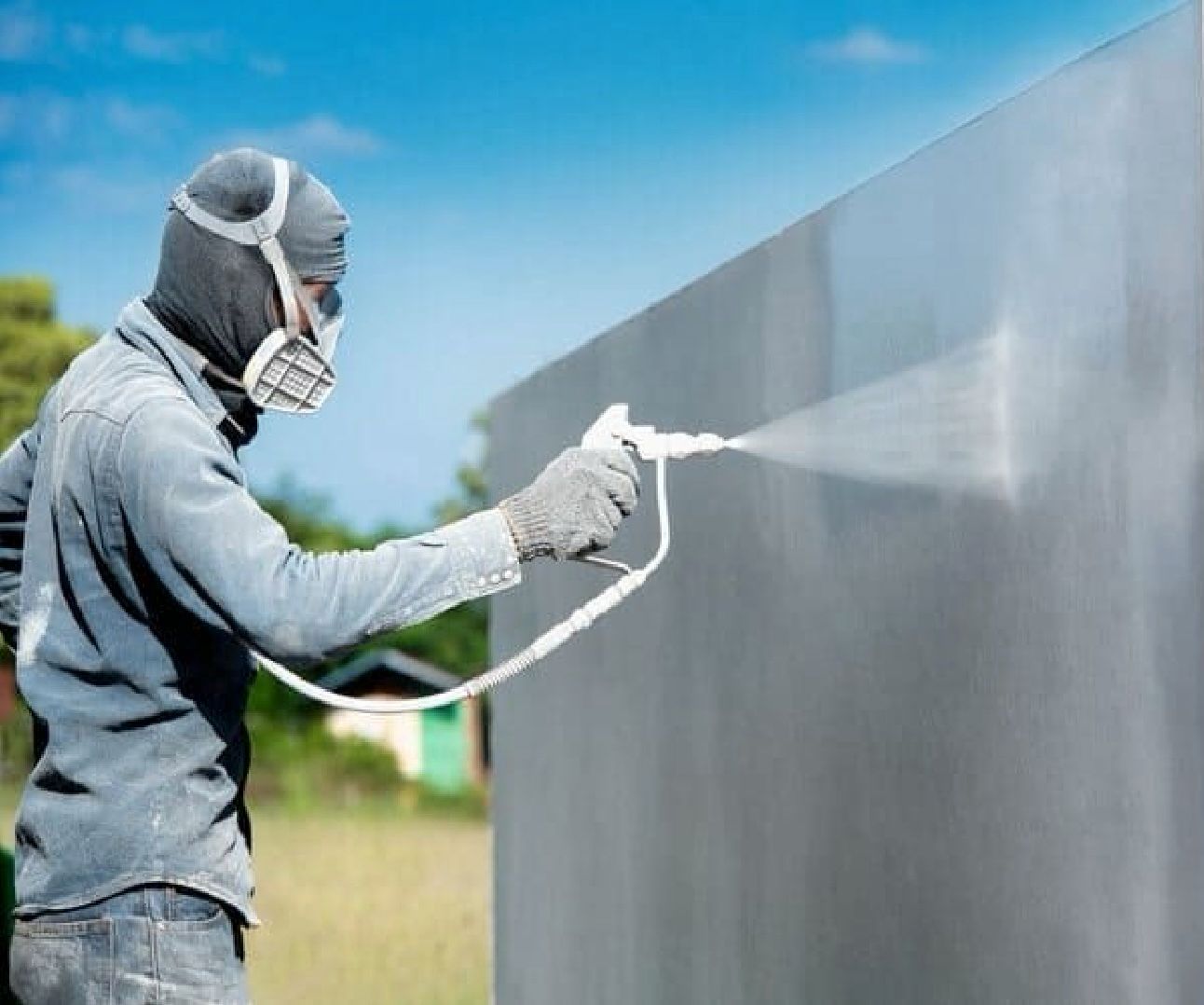
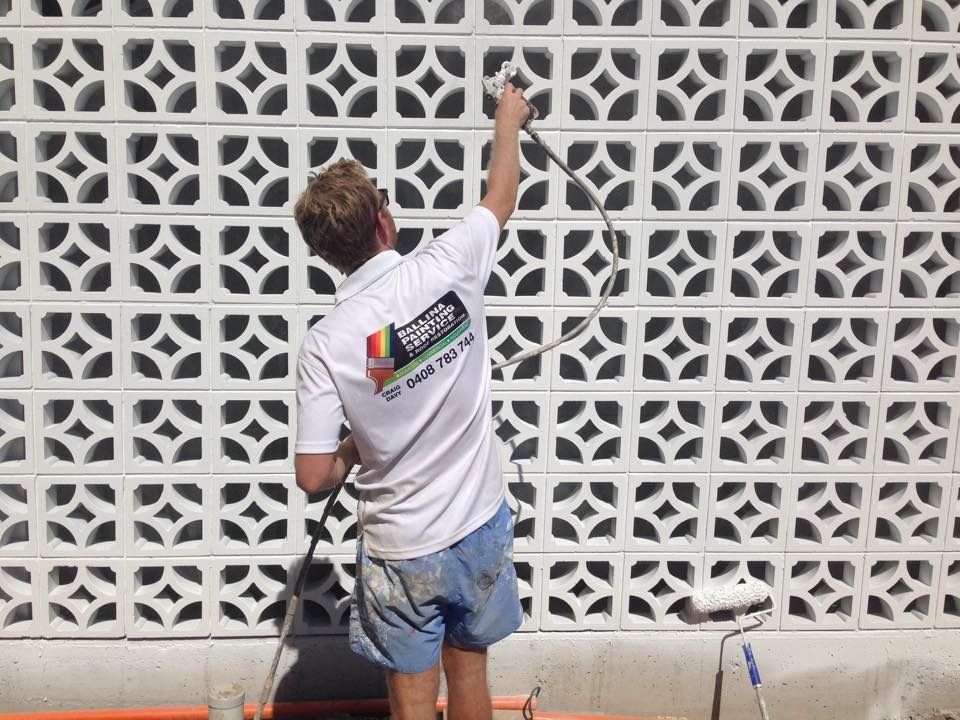
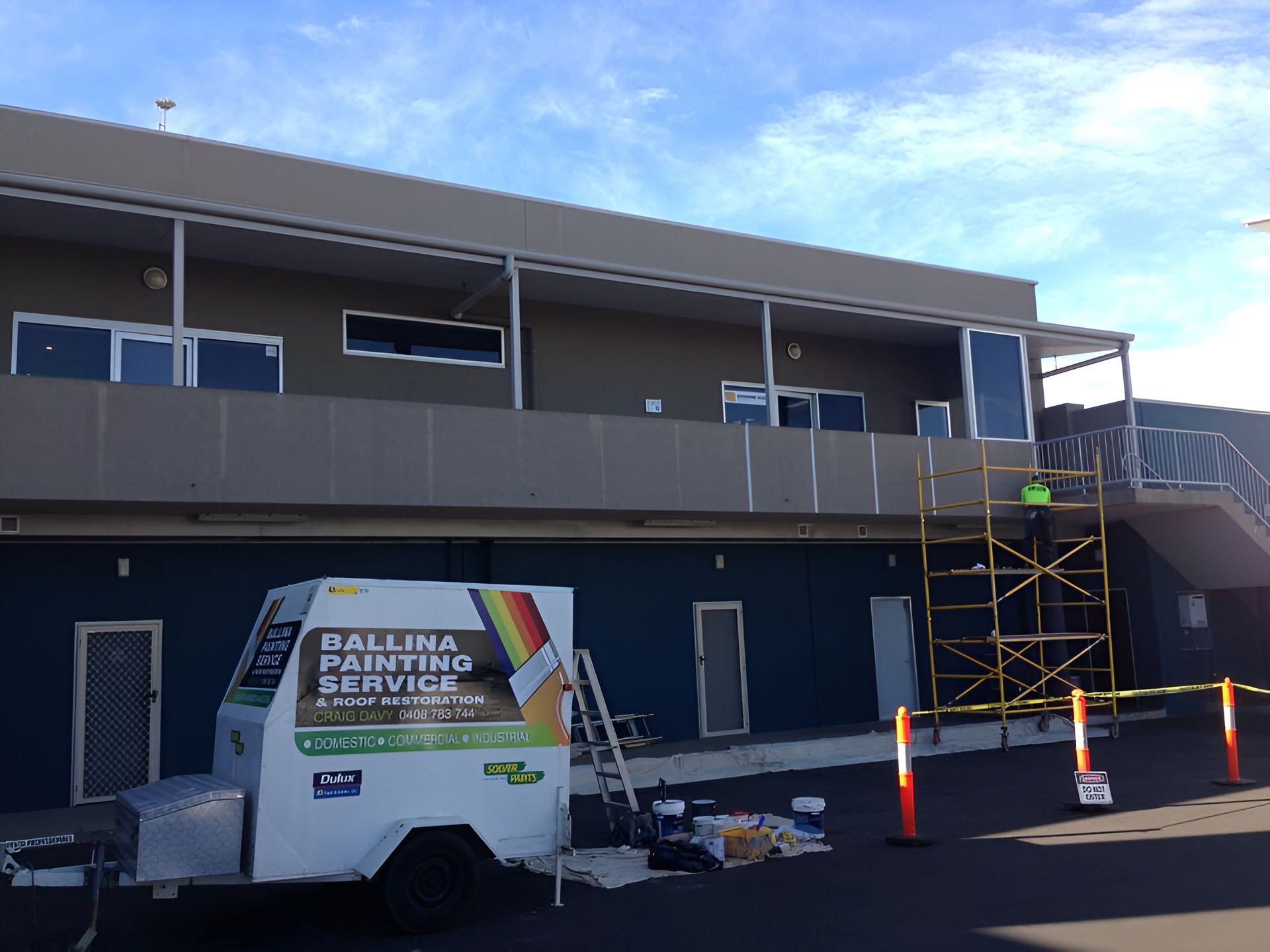
Once a colour and product have been chosen, the application process determines the final result just as much as the paint itself. Working with experienced painters in Byron Bay means the colour is tested in situ, the right primers and coats are used for each surface type, and the finished job is built to withstand the local climate, not just look good on day one.
If you're planning an exterior refresh, the best next step is getting a colour consultation alongside a proper assessment of your home's surfaces and sun exposure. Our residential painting team can walk you through product options, finishes, and colour testing on-site, so the final result holds up as well as it looks on day one.
Frequently Asked Questions